What Defines a Truly Prime Home in the Golden Triangle in 2026
A prime home is not simply an expensive one. In the Golden Triangle of Quinta do Lago, Vale do Lobo, Vilamoura and Almancil, the distance between a very good villa and a genuinely prime one rests on a set of qualities that a headline price reflects only in part, and the buyers who learn to read those qualities make far better decisions than those who read the number alone. Orange Tree Properties works across this patch as a buyer's agent from an office in Almancil at the centre of it, and this article sets out what actually defines a truly prime home in the Golden Triangle in 2026, from the ground it stands on to the light it holds and the scarcity that sits beneath its value.
Position as the Foundation of Value
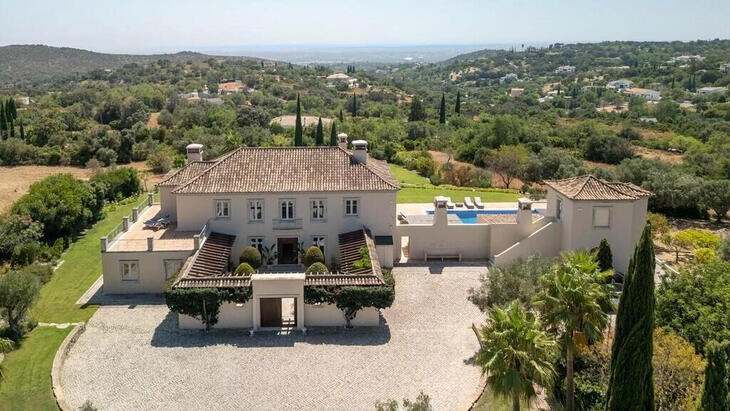
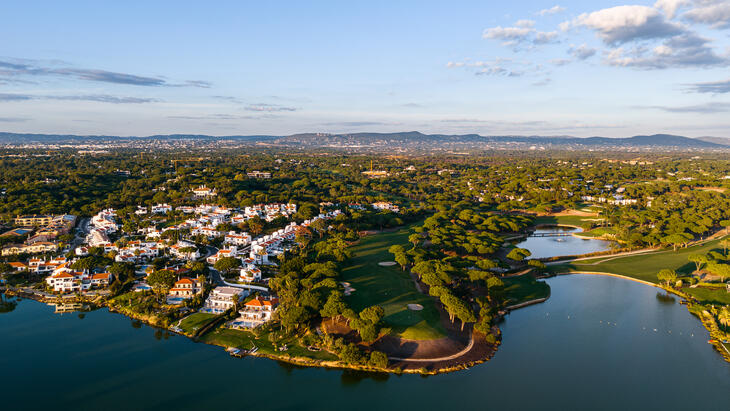
Position is the first and most durable component of prime, and it is the one a buyer can never change after the fact. In the flagship estates a frontline plot, whether it faces the golf, the lake or the ocean, carries a premium that has held through every cycle because the number of such positions was fixed long ago and cannot be added to. A villa set on a commanding aspect, with an open outlook that will not be built out, holds its value in a way that a house of identical size on a compromised plot does not. A fine plot will remain valuable long after the present house has been reworked or replaced, which is why an experienced buyer treats land and aspect as the enduring part of what they are buying and reads the building as the more replaceable element. Prime value flows from the ground upward rather than from the walls inward.
The Plot and the Privacy It Buys
Closely tied to position is the plot itself, and the seclusion a generous one confers. The most sought-after homes in Quinta do Lago and the wider Almancil catchment sit on substantial parcels with mature planting, established gardens and enough distance from the boundary that the house is not overlooked. Privacy of this kind cannot be manufactured on a tight plot, and it is one of the clearest markers that separates a prime home from a merely large one. Mature cork oaks, umbrella pines and settled landscaping take decades to reach the scale that gives a garden its permanence, and a buyer who values that maturity will pay for it accordingly. A home that is genuinely private is one an owner can enjoy across the whole year without compromise, and that usability feeds directly back into its worth.
Light, Orientation and the Way a Home Lives
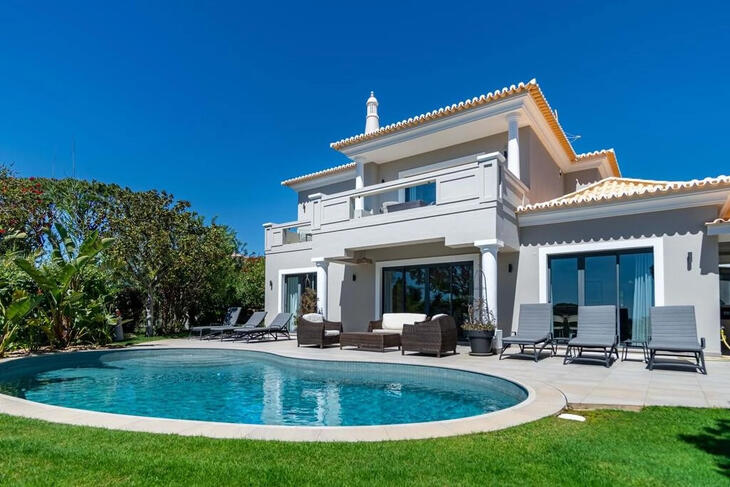
Beyond the plot lies orientation, which shapes how a home is actually lived in and is frequently underweighted by buyers focused on floor area. A prime villa in the Algarve is oriented to make the most of the light, typically opening to the south and west so that terraces, pool and principal rooms catch the sun through the day and into the evening. The relationship between inside and outside matters as much as the rooms themselves, since the pleasure of a home here lies in moving easily between a shaded terrace, an open kitchen and a garden. A house that handles the strong summer light well, with proper shade and cross-ventilation, and that also captures the low winter sun, lives comfortably in every season rather than only the warmest weeks. This is a quality that reveals itself only on the ground rather than in a listing.
Architecture and Build Quality That Endure
Prime homes are built to a standard that shows, and increasingly they are designed to a sensibility that lasts. The strongest villas in the Golden Triangle pair generous proportions with materials and craftsmanship that age gracefully, natural stone, quality joinery, well-engineered pools and the systems that keep a large house comfortable and efficient. A restrained, considered architecture tends to hold its appeal far longer than a house tied too tightly to the fashion of its year of completion, and a buyer thinking in the long term reads that timelessness as part of value. The finest homes reward close inspection rather than suffering from it, and the quality of their construction is a large part of why they remain prime as newer, lesser houses date around them.
Provenance and the Story a Home Carries
The finest homes tend to have a provenance, and it adds to both their appeal and their value. A villa designed by a respected architect, built by a known developer with a reputation to protect, or held and maintained by a single careful owner for many years carries a confidence that a hastily assembled house cannot. Pedigree of this kind speaks to how a home was conceived and how it has been looked after, and in a market where the most distinguished properties change hands quietly it travels by reputation rather than through open marketing. A home with a clear and well-regarded history is one that is easier to love and, in time, easier to pass on, and that continuity is part of what the word prime is meant to convey.
Scarcity and Why Prime Endures
Underpinning every one of these qualities is scarcity, which is the ultimate reason the Golden Triangle's prime homes hold their standing. The flagship estates were laid out as low-density, tightly controlled environments, and the supply of the plots and positions that define the top of the market was effectively capped decades ago. New building continues, but it cannot add frontline lake or ocean positions, cannot manufacture mature gardens, and cannot expand estates that were planned to stay uncrowded. Because the ingredients of prime are finite and the appetite for them is not, the homes that genuinely possess them tend to appreciate steadily and to remain sought after even when the wider market is quieter. This is why prime endures as a category here rather than drifting with fashion.
Why Reading Prime Reliably Argues for Representation
The point for a buyer is that almost none of this is legible from a portal. A listing shows a price, a floor area and a set of flattering photographs, but it does not show whether the aspect will stay open, whether the orientation makes the house a pleasure in February, or whether the architecture will still look considered in fifteen years. Reading those things reliably takes someone who walks these homes constantly and knows the estates parcel by parcel. Orange Tree was founded by Simon Berger, who has lived and worked in the Algarve since 1997, and John Martin St.Valery OBE, and operates under AMI licence 25327 from Almancil at the centre of the three resorts. Working as a buyer's agent, the firm assesses a home against the qualities that actually make it prime rather than the ones a listing chooses to show, negotiates on the buyer's side of the table, and brings access to the private inventory where many of the finest homes quietly change hands.
For a buyer approaching the Golden Triangle in 2026, the conclusion is to look past the headline figure and toward the qualities that make a home endure, the position, the plot, the light, the build and the scarcity that no amount of spending can conjure after the fact. A home that holds those qualities is worth pursuing patiently and securing decisively when it appears. Buyers can explore the current Algarve property listings through the firm, read the buyer's guide to purchasing in Portugal for how a purchase works in practice, and get to know the Orange Tree team behind the service. To discuss what a genuinely prime home in the Golden Triangle might look like for a particular brief, including discreet access to homes that are not openly marketed, speak to Orange Tree directly.